
Gadgets are small, portable electronic devices or tools designed to make tasks easier or provide
entertainment. They are typically characterized by their novelty, convenience, or technological
functionality. Gadgets can range fromsimple tools to highly sophisticated devices, but they
generally emphasize innovation, compact design, and user-friendly operation.
Common Characteristics of Gadgets:
Portability: Gadgets are often small and lightweight, making them easy to carry or use on the go.
Technology-Based: They incorporate advanced technology to perform specific tasks or functions.
Convenience: Gadgets are designed to save time, improve efficiency, or enhance the user's lifestyle.
Innovation: Many gadgets introduce new ways of interacting with the world, whether through new user interfaces or novel features.

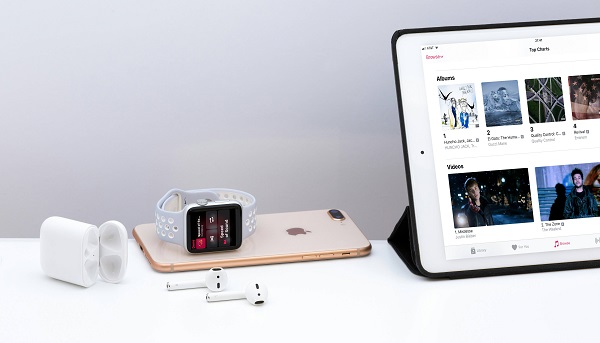
Smartphones: Multi-functional devices that combine communication, entertainment, and
productivity features.
Smartwatches: Wearable gadgets that monitor health, display notifications, and sync with
other devices.
Tablets: Portable touch-screen devices used for browsing, media consumption, and productivity.
Fitness Trackers: Gadgets that monitor physical activity, heart rate, and sleep patterns.
Bluetooth Speakers: Portable speakers that wirelessly connect to devices to play music or audio.
Virtual Reality (VR) Headsets: Immersive devices that simulate environments for gaming, education, and entertainment.
Smart Home Devices: Gadgets like smart thermostats, lights, or security cameras that can be controlled remotely or through voice commands.

Gadgets bring a variety of benefits that can significantly enhance both personal and professional lives.
Here are some key advantages of using gadgets:
1. Increased Productivity
Task Automation: Gadgets like smartphones, tablets, and smartwatches allow you to automate tasks,
such as setting reminders, managing your calendar, and controlling smart devices in your home or office.
On-the-Go Access: With gadgets like laptops and smartphones, you can stay connected to work, emails, and
documents, making it easier to work from anywhere.
Multitasking: Many gadgets, especially smartphones and tablets, allow users to run multiple apps simultaneously,
boosting efficiency.
2. Convenience
Ease of Use: Gadgets are designed to be user-friendly, simplifying everyday tasks. For example, a
fitness tracker automatically tracks your steps and sleep patterns, without needing manual input.
Time-Saving: Gadgets like smart home assistants (e.g., Alexa, Google Assistant) can handle various
tasks (setting alarms, controlling lights, playing music) quickly, saving time on routine activities.

3. Entertainment
Portable Entertainment: Gadgets such as smartphones, tablets, and portable speakers offer a wide range
of entertainment options, from streaming movies and music to playing games.
Gaming: Devices like handheld gaming consoles, VR headsets, and smartphones offer immersive gaming
experiences.
Content Consumption: Gadgets like e-readers and tablets make it easy to consume digital books, magazines,
and news on the go.
4. Communication
Instant Connectivity: Smartphones, tablets, and laptops keep you in touch with family, friends, and
colleagues via calls, text messages, video chats, or social media.
Global Reach: Gadgets allow you to communicate with people across the world instantly, whether through
video calls, instant messaging, or social networking apps.
5. Health and Fitness Monitoring
Tracking Health Data: Gadgets like fitness trackers, smartwatches, and health-monitoring devices
track metrics like steps, heart rate, calories burned, and sleep quality, helping individuals
maintain healthier lifestyles.
Medical Gadgets: Some gadgets are designed for specific health conditions, such as blood pressure
monitors or glucose meters, enabling users to manage their health at home.
6. Security and Safety
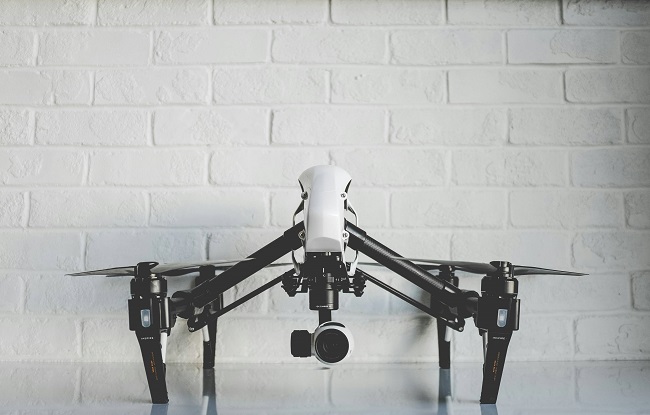
Surveillance: Smart security gadgets like cameras and alarms can be monitored remotely via smartphones,
helping to enhance home or office security.
Emergency Assistance: Gadgets like personal safety apps, GPS trackers, and emergency alert systems help
you stay safe, whether you’re traveling or in need of immediate assistance.
Monitoring Vulnerable Individuals: Gadgets such as GPS-enabled trackers help caregivers monitor the
whereabouts and safety of elderly family members or children.
7. Learning and Education
Educational Tools: Tablets, e-readers, and educational apps provide access to vast amounts of learning
material, supporting self-paced and interactive learning.
Research and Knowledge: Gadgets like smartphones and laptops provide access to the internet, enabling
users to research, read, and learn on almost any topic.
Virtual Learning: Devices such as VR headsets allow for immersive learning experiences, like virtual
field trips or interactive training simulations.
8. Improved Work-Life Balance
Remote Work: Gadgets like laptops, smartphones, and tablets allow you to work from home or on the go, helping
you better balance personal and professional responsibilities.
Relaxation: Many gadgets, such as meditation apps on smartphones or sleep trackers, support activities that
help you relax and unwind after work, promoting a healthier work-life balance.
9. Personalization
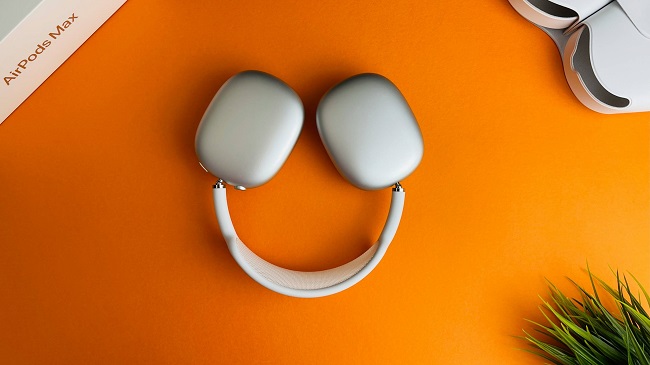
Customization: Gadgets like smartphones, smartwatches, and home assistants allow users to customize
settings, themes, and preferences to suit individual needs.
Adaptive Technology: Some gadgets adjust to user behavior and preferences over time, making the
experience more efficient or enjoyable (e.g., personalized movie recommendations or music playlists).
10. Environmental Impact
Energy Efficiency: Many modern gadgets are designed to be energy-efficient, reducing power consumption
(e.g., energy-efficient smart thermostats).
Smart Devices: Smart gadgets in homes (smart bulbs, thermostats, or appliances) can be controlled remotely,
leading to better resource management and cost savings.

11. Social Interaction,
Connection and Sharing: Gadgets enable people to share experiences, photos, and moments in real time with
others, keeping them socially connected no matter the distance.
Social Media: Smartphones and tablets facilitate engagement with social media platforms, allowing users to
interact, network, and stay connected with communities.
12. Innovation and Creativity
Creative Tools: Gadgets like digital cameras, drawing tablets, and music production tools allow users to
express their creativity and pursue hobbies such as photography, art, or music production.
Innovation in Work: Many gadgets include advanced tools for professional creativity, such as 3D printers
or CAD tools for engineering and design.

Gadgets offer a wide range of benefits, from increasing productivity and enhancing entertainment to
promoting health, improving security, and making communication easier. Whether used for work,
leisure, or personal development, gadgets are an integral part of modern life, simplifying tasks
and enriching experiences in numerous ways.