


What is SEO?

SEO (Search Engine Optimization) is the practice of optimizing a website or online content to improve its visibility and ranking on search engines like Google, Bing, or Yahoo. The goal of SEO is to increase organic (non-paid) traffic to a website by ensuring that it appears as high as possible in search engine results pages (SERPs) for relevant queries.

Key Elements of SEO:

1. On-Page SEO:

  • Content: High-quality, relevant, and informative content that answers users' questions or provides value. This includes using keywords naturally.
  • Title Tags: The title of each webpage, which should include relevant keywords and be enticing to users.
  • Meta Descriptions: A brief description of the page that appears in search results below the title. It should be engaging and summarize the page content.

2. Off-Page SEO:

  • Backlinks: Links from other reputable websites pointing to your content.
  • High-quality backlinks signal to search engines that your content is trustworthy and authoritative.
  • Social Media Signals: Engagement and shares on social media platforms may indirectly affect SEO by driving traffic and brand awareness.
  • Brand Mentions: Even unlinked mentions of your brand on other websites can contribute to your SEO efforts.

3. Technical SEO:

  • Site Speed: A fast-loading website enhances user experience and ranks better in search results.
  • Mobile-Friendliness: With the majority of searches happening on mobile devices, having a mobile-optimized site is crucial for SEO.
  • Crawlability: Ensuring that search engine bots can crawl and index your website effectively. This can be managed with tools like robots.txt and XML sitemaps.
  • Structured Data: Using schema markup to provide search engines with more context about your content (such as reviews, events, and product details) can improve how your page appears in search results.

4. Local SEO:
For businesses with a physical presence, local SEO focuses on improving visibility in local search results. This includes optimizing for Google My Business, local citations, and getting reviews from customers.

The SEO Process:
  • Keyword Research: Identifying the words and phrases people use to search for information related to your business. Tools like Google Keyword Planner, Ahrefs, or SEMrush can help.
  • Content Creation: Based on the keywords, create high-quality, engaging content that satisfies user intent.
  • On-Page Optimization: Use the identified keywords in strategic places (titles, headers, meta descriptions, etc.) to optimize your pages.
  • Link Building: Acquire backlinks from reputable sites to improve domain authority and search engine rankings.
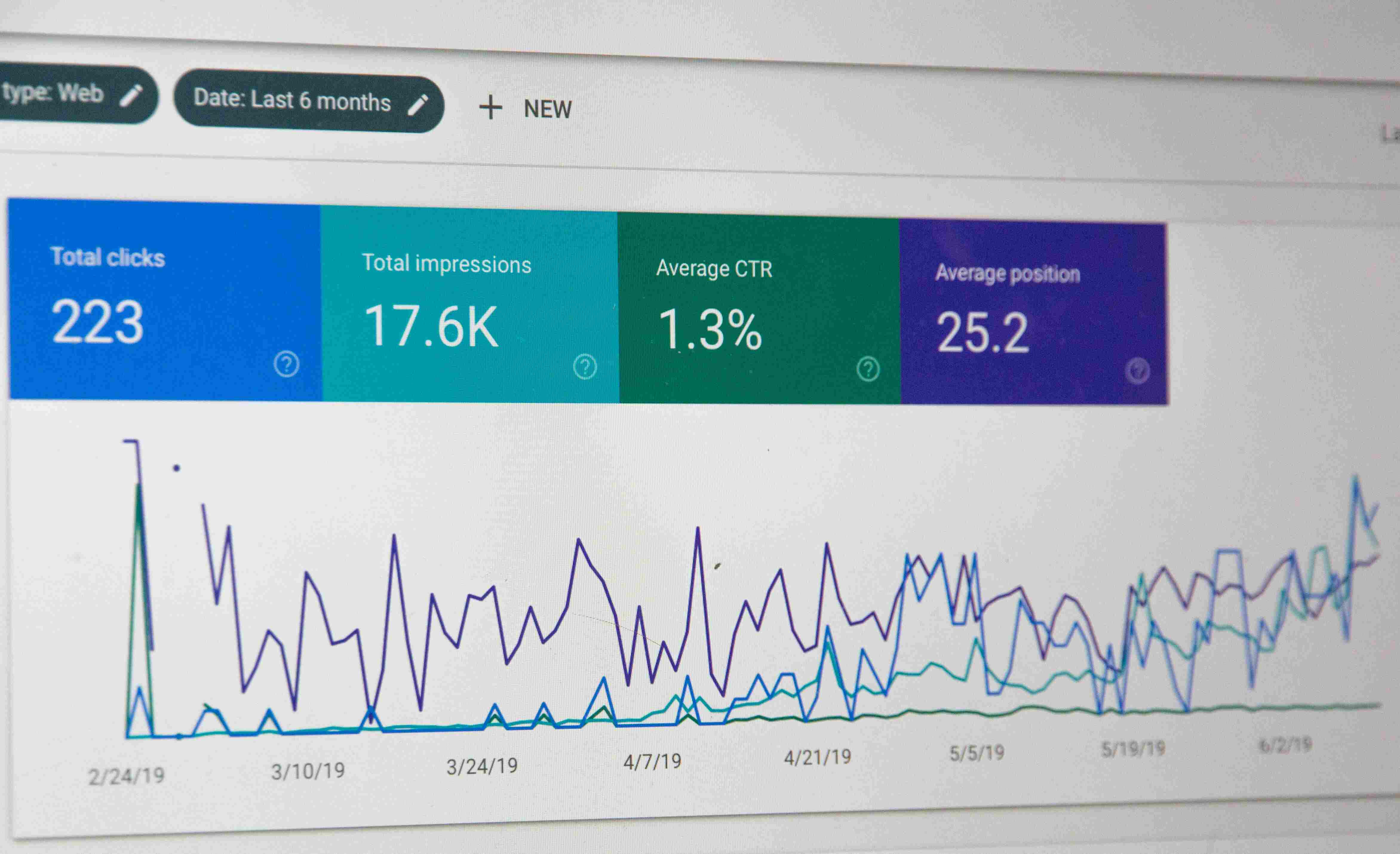
  • Monitoring and Adjusting: SEO is an ongoing process. Regularly monitor the performance of your website using tools like Google Analytics and Google Search Console to make adjustments.

  • Increased Organic Traffic: SEO helps your website appear in search results without paying for ads, which leads to more visitors over time.
  • Cost-Effective: Unlike paid advertising, SEO provides long-term, sustainable traffic.
  • Trust and Credibility: Websites that rank well on search engines are often seen as more authoritative and trustworthy by users.
  • Better User Experience: SEO involves improving site speed, mobile-friendliness, and navigation, which enhances the overall user experience.

How & Where We Can Use SEO?

SEO can be used in many different places and contexts, depending on your goals and what kind of content or platform you are working with. Here's a breakdown of where you can apply SEO to maximize its effectiveness:

1. Websites

  • Blog Posts: If you have a blog, optimizing each post for relevant keywords helps it rank higher in search results. Use keywords in the title, headings, body text, meta description, and image alt texts.
  • Landing Pages: For businesses, product pages, or services, ensuring they are optimized with targeted keywords and structured in a user-friendly way can drive traffic and conversions.
  • E-commerce Sites: Product descriptions, reviews, and category pages can be optimized to rank for specific products or services that people are searching for.
  • News or Magazine Sites: SEO is essential for ranking in news-related searches. Focus on timely, well-optimized headlines and content.
2. Social Media
  • Content Optimization: Although social media platforms like Facebook, Instagram, and Twitter don’t directly impact SEO rankings, optimizing your social media posts with relevant hashtags, keywords, and engaging descriptions can drive traffic to your website.
  • Social Media Profiles: Include clear, keyword-optimized descriptions in your bio, page titles, and posts to enhance your discoverability.
  • YouTube: YouTube is the second-largest search engine in the world, so optimizing your video titles, descriptions, tags, and even transcripts can help your content appear in search results.
3. Local Listings
  • Google My Business: For local businesses, setting up and optimizing your Google My Business profile is crucial. This ensures your business shows up on Google Maps and in local searches when people are looking for products or services in your area.
  • Local Directories: Being listed on directories (such as Yelp or TripAdvisor) with consistent Name, Address, and Phone Number (NAP) information improves local SEO and makes you discoverable in your area.
  • Local Reviews: Encourage customers to leave reviews on Google and other review platforms to boost local SEO.
4. Online Marketplaces (e.g., Amazon, Etsy)
  • Product Listings: In e-commerce platforms like Amazon or Etsy, product descriptions, titles, and tags must be optimized for the keywords customers are using to find similar products.
  • Customer Reviews: Positive reviews can impact SEO on these platforms, as search engines often prioritize products with higher ratings and reviews.
5. Voice Search Optimization
  • With the growing use of voice assistants like Siri, Alexa, and Google Assistant, optimizing your content for voice search is becoming more important. This often means focusing on natural language queries (e.g., "Where can I find the best pizza near me?") and making sure your content answers questions clearly.
6. Mobile Apps
  • App Store Optimization (ASO): Just like SEO for websites, ASO helps increase the visibility of your app in app stores like Google Play or the Apple App Store. This includes optimizing your app’s title, description, keywords, and screenshots.
7. Email Marketing
  • While email marketing itself doesn’t directly benefit from traditional SEO (since emails aren’t indexed by search engines), SEO practices can be applied in the form of, Optimized Subject Lines: Using keywords and creating compelling subject lines that improve open rates.
  • Content: Making sure the content of your emails aligns with what users are searching for on your website (personalized, valuable content).

...

In Summary :-
  • Websites: SEO is crucial for pages, posts, e-commerce, and blogs.
  • Social Media: Although indirect, it helps drive traffic with keywords, hashtags, and descriptions.
  • Local Listings: Optimize local profiles and get reviews.
  • Online Marketplaces: E-commerce listings should be SEO-friendly.
  • Voice Search: Focus on natural language and conversational queries.
  • Mobile Apps and ASO: Optimize app descriptions and keywords for visibility.
  • Email: Use optimized subject lines and valuable content.
  • Podcasts & Newsletters: Make your content discoverable with SEO strategies.
  • Technical SEO: Ensure your site’s performance and structure are optimized.

...
...
...
...
...
...
...
...
...